Discover nail care tips, nail stamping secrets, oval & square nail shaping techniques, nail art ideas, common nail concerns, and carefully selected nail courses — all in one place.
Great-looking nails start with understanding nail structure, proper care, shaping techniques, and everyday habits.
Nails may seem like a small part of our appearance, but they play an important role in grooming and personal style. From natural nails and minimalist manicures to elaborate nail art, there are countless ways to express yourself through your nails.
A good nail-care routine doesn't have to be complicated. Keeping nails clean, trimming them appropriately, moisturizing the surrounding skin, using suitable tools, and avoiding rough treatment can make nail maintenance easy and effective.
The right nail shape can transform the appearance of your hands. Oval nails create an elongated look, square nails deliver a clean, modern vibe, and round or squoval shapes offer practical everyday options.
Understanding the different parts of the nail makes care techniques easier to grasp.
The visible hard portion that grows over the fingertip.
The skin underneath the nail plate that supports growth.
Protective seal near the base — gentle care is key.
The portion extending beyond the fingertip, trimmed and filed.
Beneath the skin at the base — where new nail cells are produced.
The pale crescent sometimes visible near the nail base.
Choosing the right nail shape depends on your nail length, personal style, and daily activities.
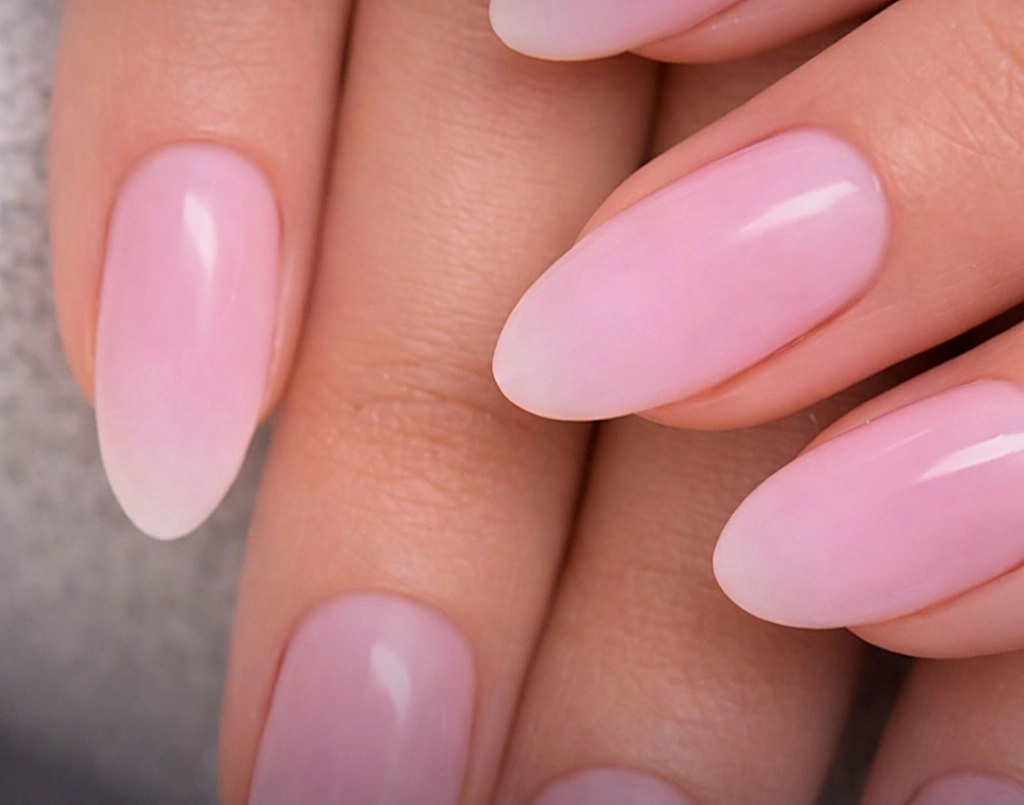
Softly rounded sides and tips create the visual impression of longer, more slender fingers.
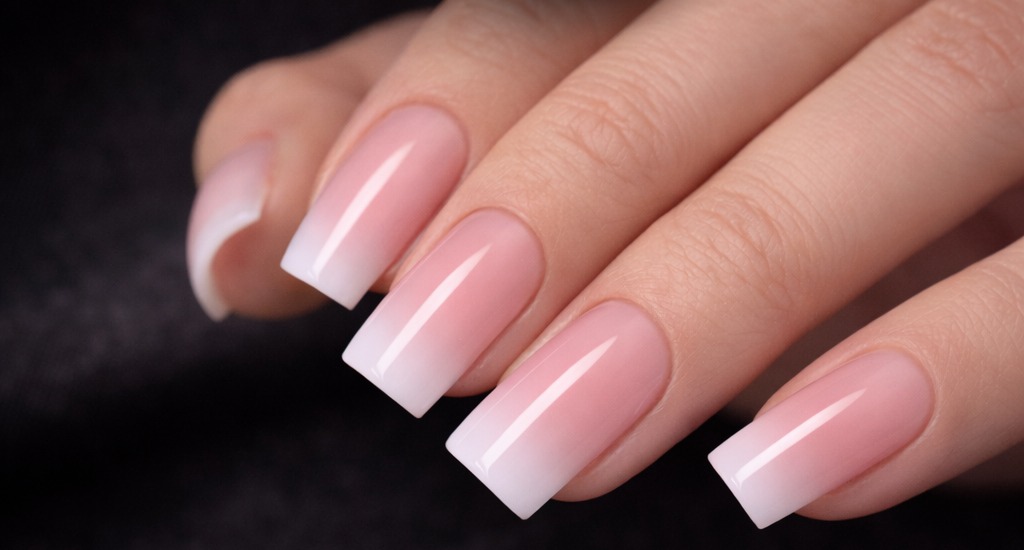
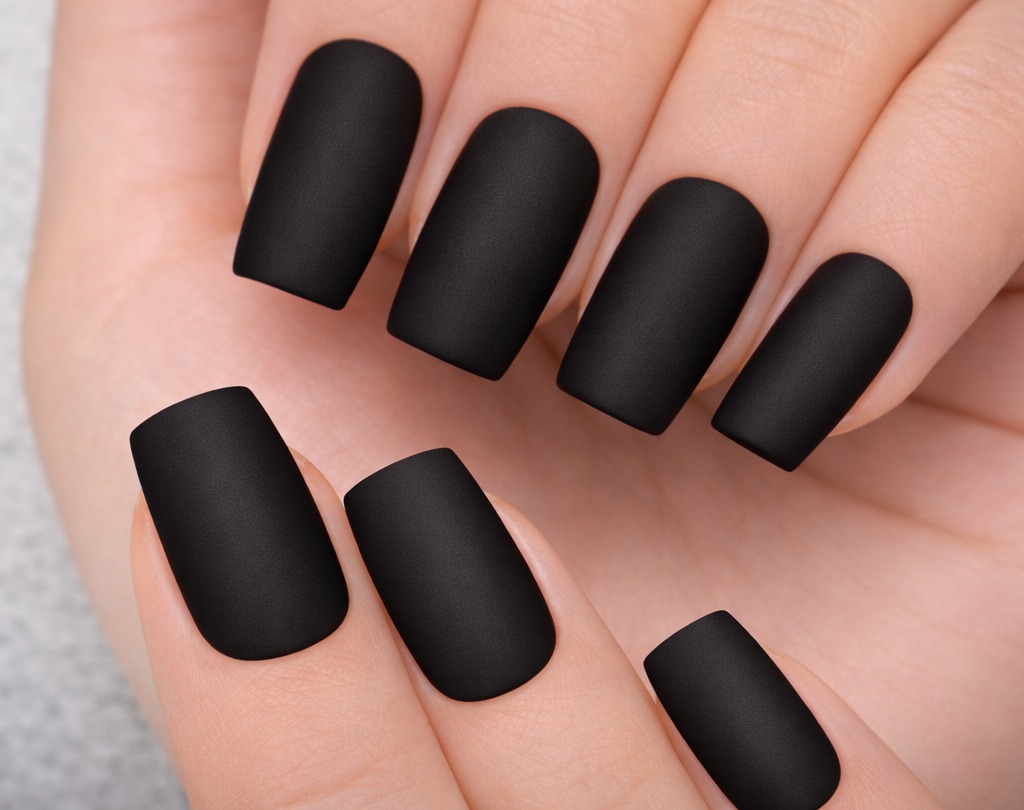
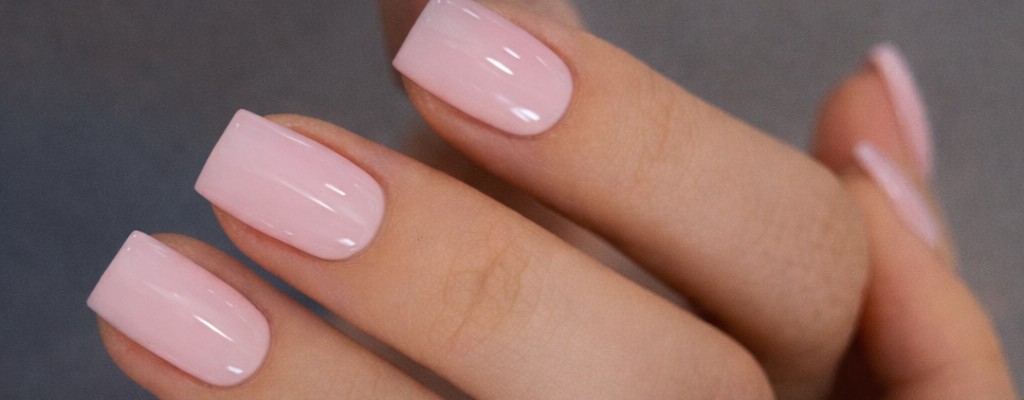
Straight sidewalls with a flat tip deliver a structured, contemporary appearance.
Follow the natural curve of the fingertip — ideal for shorter nail lengths.
Combines straight edges with softer rounded corners — balanced and practical.
Taper gradually toward a softly rounded tip for an elegant, elongated look.
Taper toward the tip before ending with a flat edge — bold and fashion-forward.
Taper into a dramatic pointed tip — for those who love a bold statement.
Keeping the shape close to natural growth provides a low-maintenance everyday option.
| Nail Shape | Appearance | Typical Length | Style | Maintenance |
|---|---|---|---|---|
| Oval | Soft & elongated | Medium | Elegant | Moderate |
| Square | Clean & structured | Short–Medium | Modern | Moderate |
| Round | Natural | Short | Simple | Low |
| Squoval | Soft square | Short–Medium | Versatile | Low–Moderate |
| Almond | Tapered | Medium–Long | Elegant | Moderate |
| Coffin | Tapered & flat | Long | Bold | Higher |
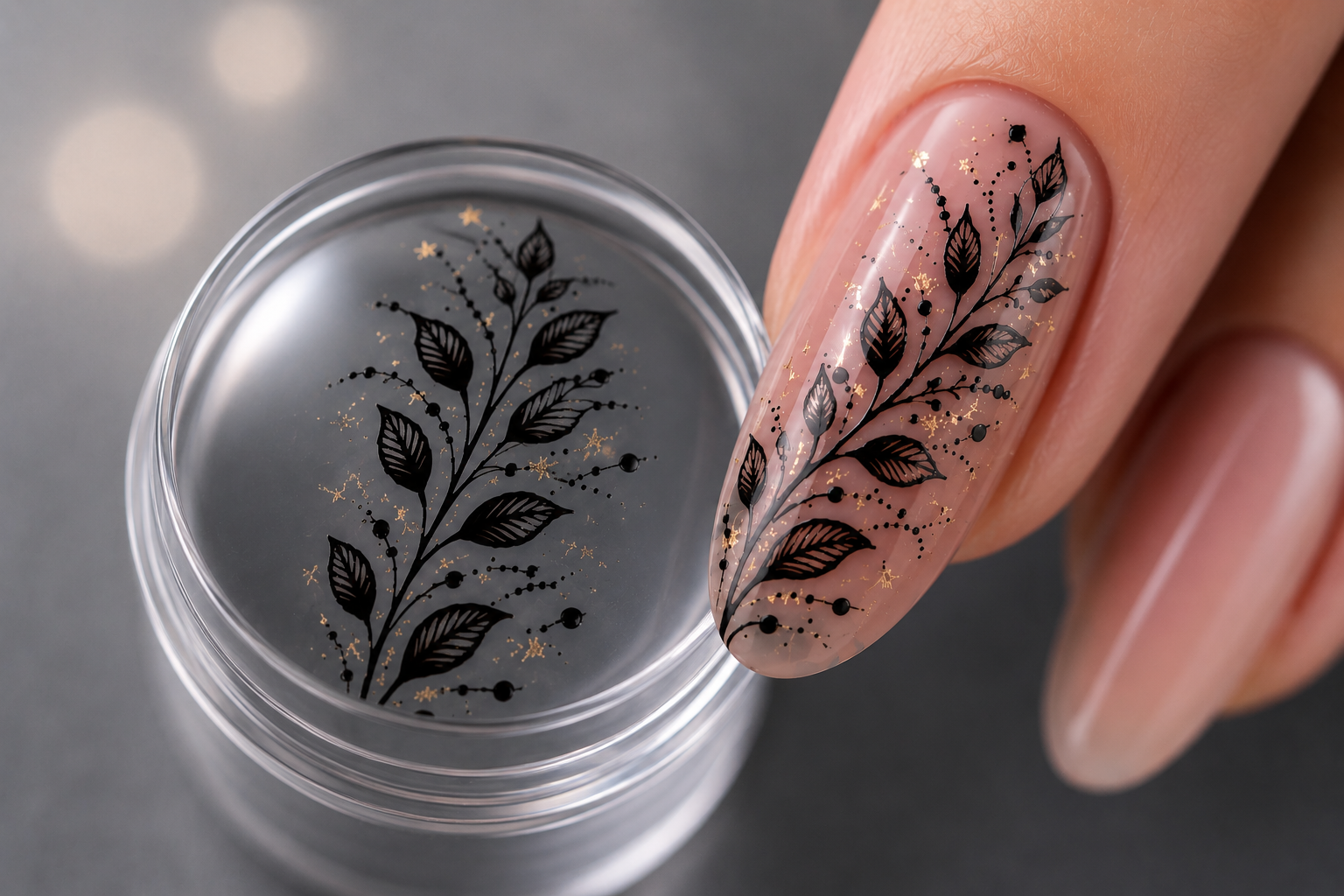
Transfer detailed patterns from an engraved plate onto your nails using polish and a stamper.
Start with clean nails and prepare the surface for your chosen base polish.
Apply your preferred polish and allow it to dry sufficiently before stamping.
Choose a pattern from the stamping plate that complements your nail shape and color.
Apply suitable polish over the selected engraved pattern.
Use a scraper to remove excess polish while leaving color inside the engraved design.
Roll or press the stamper over the pattern according to the tool's instructions.
Carefully position and transfer the design onto your nail.
Once appropriate, finish with a compatible top coat to help protect the design.
Nails can change for many reasons — routine wear, grooming habits, products, environmental exposure, and health conditions.
Nails that frequently split or break may benefit from gentler handling and protection from repeated wetting, drying, or harsh products.
Avoid peeling layers away manually. Keep nails trimmed and reduce activities that repeatedly traumatize the nail edge.
Moisturizing the hands, nails, and surrounding skin regularly can help reduce dryness and irritation.
Polish staining can sometimes affect nail color, but persistent changes should be evaluated by a healthcare professional.
Keeping rough edges smoothly filed prevents them from catching on clothing and other objects.
Regular trimming and gentle filing help maintain a consistent shape while nails grow.
Consistency matters more than complexity — small daily habits make a big difference.
Experiment with different styles to create a manicure that matches your personality.
Simple lines, dots, and small accents create an understated contemporary look.
Intricate patterns and designs transferred with stamping techniques.
Clean, modern edges for a bold and structured nail appearance.
Combine shapes, curves, and colors for unique custom nail designs.
Master the art of nails with these expert-led courses — from stamping to shaping and problem nails.
Master all aspects of nail care, art, and business with this comprehensive course bundle.
Learn the secrets of flawless nail stamping — from beginner to pro techniques.
Perfect the elegant oval nail shape with expert filing, shaping, and styling techniques.
Master the modern square nail shape with clean edges and structured styling.
Identify, treat, and prevent common nail problems with expert guidance and care routines.
There isn't one best shape for everyone. Oval, square, round, squoval, almond, and other shapes offer different appearances and maintenance requirements.
Short round and squoval nails can be practical choices because they have fewer sharp corners and work well at shorter lengths.
Allow enough free edge to shape, then gradually file the sides toward a softly rounded tip. Check both sides frequently for symmetry.
File the free edge relatively straight across and maintain straighter sidewalls rather than rounding the entire tip.
Nail stamping is a nail-art technique where polish is transferred from an engraved design plate to the nail using a stamper.
Possible causes include polish drying before transfer, incompatible polish, incorrect scraping, insufficient pattern pickup, or issues with the stamper or plate.
Regular trimming, gentle filing, moisturizing, protecting hands during rough or wet work, and avoiding nail biting all form part of a sensible routine.
There is no universal schedule — trim them as needed based on their growth, your preferred length, and your daily activities.
Many people use nail polish regularly without difficulty. Follow product directions and stop using anything that causes irritation.
Consult a qualified healthcare professional if you develop persistent, unexplained, painful, swollen, or otherwise concerning changes in or around your nails.